For substantive UN Security Council decisions, nine affirmative votes are required and a negative vote from a permanent member can block adoption. A permanent member's abstention does not itself count as a veto. Follow Power Explained for clear explanations...
India's president is elected by an electoral college that includes elected members of Parliament and elected members of qualifying legislative assemblies. Votes are weighted. Citizens do not cast a direct presidential ballot. Follow Power Explained for clear explanations of...
Swiss voters can challenge a new federal law through an optional referendum. Collect 50,000 valid signatures within 100 days, and the public can vote on whether the law should stand. Follow Power Explained for clear explanations of how political...
Japan's emperor is a symbol of the state with no governing powers. The Diet designates the prime minister, the emperor formally appoints them, and the cabinet exercises executive power. Follow Power Explained for clear explanations of how political systems...
In a hypothetical three-district election, Red wins two districts 51–49 while Blue wins the third 100–0. Blue gets 198 votes to Red's 102, but Red wins two seats to Blue's one. District results can matter more than the...
France's president and prime minister can come from opposing political camps. This arrangement, called cohabitation, can occur when the president's opponents hold a parliamentary majority. Follow Power Explained for clear explanations of how political systems work. Source: #PoliticsExplained #PoliticalSystems #Shorts...
Most members of the House of Lords are appointed life peers, while some are bishops. This second chamber reviews legislation and challenges government, alongside the elected House of Commons. Follow Power Explained for clear explanations of how political systems...
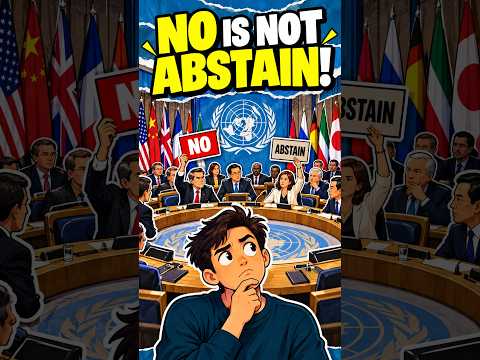 A UN Veto and an Abstention Are NOT the Same
 Indias Voters DONT Directly Elect the President?!
 Swiss Voters Can STOP a Law After Parliament Passes It?!
 Japan Has an Emperor—So Who Runs the Country?
 MORE Votes, FEWER Seats? Watch This Election
 France Can Have TWO Political Rivals Running the Country?!
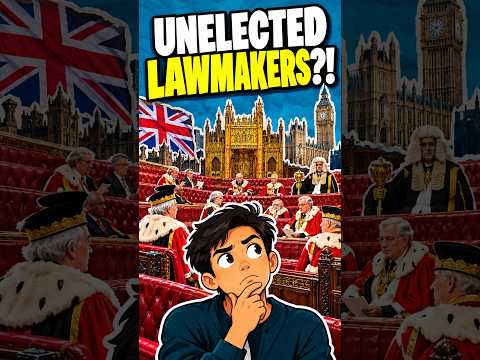 Why Does Britain Have UNELECTED Lawmakers?